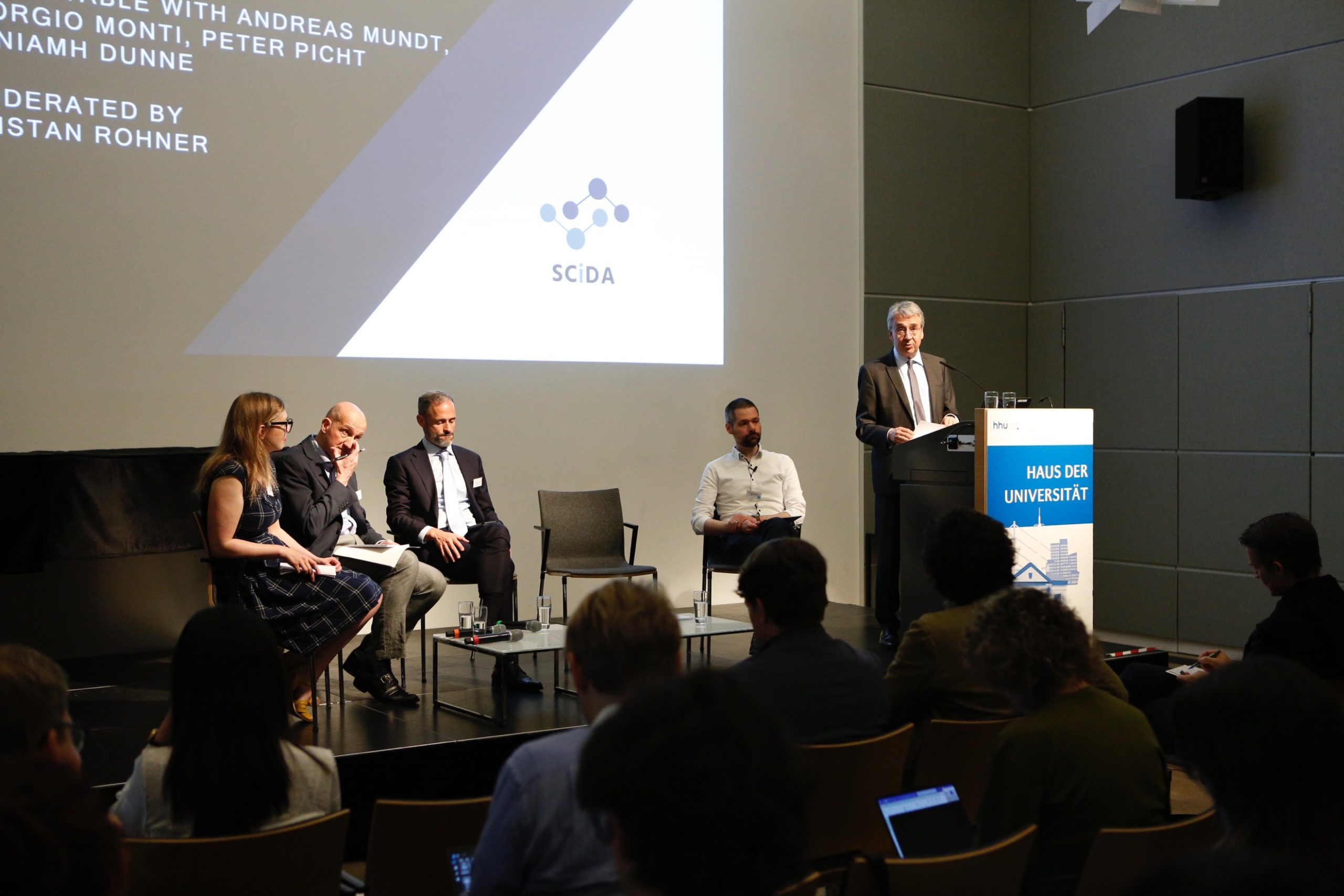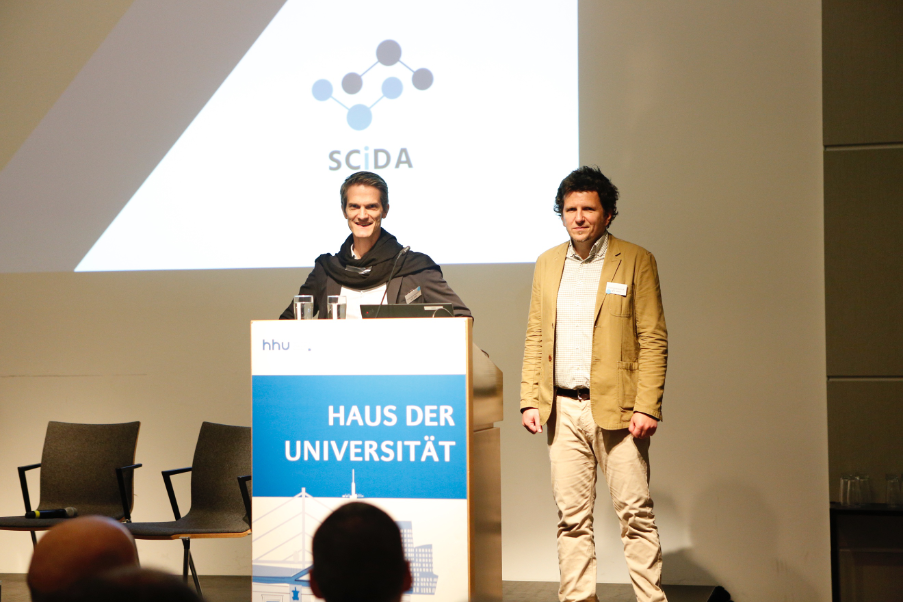
The first day of the SCiDA Conference at Heinrich-Heine-Universität Düsseldorf brought together competition law scholars, enforcers, and practitioners for a packed programme spanning digital regulation, AI, enforcement effectiveness, and the political dimensions of platform power. What follows is a summary of the key discussions across the day with some photos (more photos at the end).
Plenary Roundtable Panel I: Digital Competition in 2026 – Evolving Paradigms
The conference opened with a wide-ranging roundtable moderated by Tristan Rohner, featuring Andreas Mundt (Bundeskartellamt), Giorgio Monti (Tilburg University), Peter Picht (University of Zürich), and Niamh Dunne (LSE).

Andreas Mundt set a clear and forthright tone. He outlined tangible results from both Section 19a GWB and the DMA, pointing to Apple’s App Store no longer being the sole gateway on iOS, Microsoft CoPilot’s interoperability, and Meta WhatsApp’s third-party messenger interoperability as achievements that would have been unthinkable just a few years ago. At the domestic level, the BKA has designated all five GAFAM firms under Section 19a and conducted seven infringement procedures. He highlighted three recent German cases: the Google Maps and Google Automotive cases, which he said would open markets for the EU tech community and car manufacturers; the Apple ATT case, addressing discriminatory treatment of first-party and third-party app data; and the Amazon price control case, where Amazon’s opaque pricing mechanisms were found to harm sellers on and off the platform while undermining rival platforms.
Yet Andreas was candid that these tools are not enough. Ecosystems persist, dominance endures, and AI is making things worse. Proceedings remain slow because of the factual complexity of digital markets, the legal sophistication of gatekeepers, and the inherent constraints of the rule of law. He then struck a more alarming note, warning that Big Tech’s power is no longer merely economic but increasingly political. He pointed to Palantir’s deepening role in US defence infrastructure, to Elon Musk’s influence through DOGE, and to the risk that sovereignty itself could become a private asset. He called for strict ex ante regulation and concluded with a memorable warning that democracy may not be supported in the next updates of the digital project.
Niamh took a longer view, reaching back to Richard Posner’s optimistic assessment 25 years ago that competition law was supple enough to handle new economy challenges. She argued that many classical theories of harm remain applicable but that the shift from markets to ecosystems and the emergence of self-preferencing as a theory of harm represent genuine developments. She highlighted a broader paradigm shift: we no longer believe that fast-moving digital markets should be left unregulated. Merger control, she suggested, is the next frontier.
Peter observed that while the combination of competition law and ex ante tools has proven broadly correct, general competition law has played a more pioneering role than expected, particularly in developing self-preferencing doctrine and integrating data protection considerations following the Meta/BKA case. He flagged AI-driven alignment of market conduct without active coordination as an emerging concern under Article 101 and stressed the need for better remedies, suggesting that stakeholders should be more involved in remedy design.
Giorgio raised a fundamental measurement problem: we simply do not know how effective competition law enforcement is in digital markets. He noted that regulatory dialogue is a useful starting point but that the DMA’s tangible benefits so far are mostly confined to smartphones. He posed a provocative question about whether promoting competition in social media might actually worsen polarisation, given that increasing numbers of people, particularly younger demographics, consume news through these platforms.
The discussion then turned to the political power of tech giants. Niamh used the example of Jeff Bezos and Lauren Sanchez chairing the Met Gala to illustrate shifting soft power dynamics and asked whether competition lawyers have the legitimacy to appraise threats to media plurality and democracy. Giorgio warned against bending competition law into something it is not, while acknowledging the unique communicative power that platforms wield to frame every regulatory intervention as harmful to consumers. Andreas reiterated his ordoliberal convictions and argued that consumer welfare is a tricky parameter in digital markets because consumers overwhelmingly prefer defaults and convenience over informed choice. Peter acknowledged the cautions but suggested that where conduct harms both competition and adjacent values such as plurality, there is scope for interaction between competition law and other regimes, particularly at the remedies stage.
Parallel Deep Dives I: AI and DMA, DMCCA and Sec 19a

Kena Zheng moderated this session, which examined the future-proofness of existing regulatory frameworks in light of AI developments.
Friso Bostoen (presenting joint work with Jan Krämer) asked whether the DMA is future-proof by examining AI agents as a case study. He argued that AI agents aspire to become the new operating systems, creating incentives for foreclosure and data-driven lock-in. He examined which existing core platform service categories might capture AI agents, including voice assistants, intermediation services, search engines, and operating systems, and concluded that the DMA is broadly future-proof in this respect, though the fit is imperfect.
Todd Davies focused on the structural timing problem at the heart of the DMA. While the legislation is framed as ex ante, he argued that its obligations are in fact backward-looking and that punitive action remains ex post. He identified three challenges: gatekeepers can design platforms around existing obligations, the DMA cannot move as fast as technology, and political willingness to intervene varies. His proposal was bold: granting the European Commission a veto power over new platform updates as a precautionary mechanism.
Hechen Wang (presenting joint work with Yunfan Mo) examined how AI-powered search, particularly Google’s AI Overviews, encloses user attention and entrenches ecosystem dominance. He identified a dual-layered default mechanism that locks consumers in without their awareness, vertical integration that compounds reduced competition, and harm to publishers who lose traffic. He connected his analysis to the ongoing CMA investigation into AI Overviews in the UK.
Benjamín González Cortés offered a comparative assessment of the DMA, DMCCA, and Section 19a GWB through the lens of adaptive governance. He found the DMCCA more flexible than the DMA in design, as the CMA is not constrained by a fixed list of core platform services and can designate new services without legislative change. The DMA, by contrast, requires ordinary legislative procedure for amendments. Questions from the audience highlighted, however, that flexibility on paper does not always translate into speed in practice, noting that the CMA’s conduct requirements for Google Search have still not been implemented.
The Q&A session produced a rich exchange. Questions were raised about whether tying doctrine could address the bundling of AI services, whether the DMA can capture the economic activity of AI companies, and whether the DMCCA truly offers advantages over the DMA in practice. Friso noted that a specification decision relating to AI services may come through soon and that bargaining models may be a better framework for addressing the impact on publishers. Todd offered a broader reflection, suggesting that the question of whether a technological development is fit for society ought to precede the question of how to regulate it.
Parallel Deep Dives II: New Challenges and/or Specific Provisions

Sarah Hinck moderated this session, which tackled innovation incentives, merger control, and the intersection of data protection with competition law.
Tim Becker examined the tension between competition and innovation through the lens of the CJEU’s evolving case law, tracing a doctrinal arc from the strict access conditions established in Bronner toward a more expansive understanding of innovation protection in the Android Auto line of cases. His central argument was that the Court’s jurisprudence is moving from a paradigm of innovation through protection of dominant firms’ investment incentives toward one that recognises the need to protect innovation opportunities for competitors and the broader ecosystem.
Shuyu Fan presented a law and economics framework for identifying innovation harm in digital platform acquisitions of start-ups. Rather than framing killer acquisitions as immediate elimination of rivals, she reframed the harm as potential neutralisation through three mechanisms: architectural lock-in, ecosystem assimilation, and organisational-incentive attenuation. She proposed three quantifiable indicators (IPI, IMP, and RDD) designed to translate vague legal predicates into computable evidence, embedded within a three-stage analytical logic moving from harm identification to defence verification to reciprocal calibration. Her conclusion was that platform mergers neutralise rather than eliminate acquired firms, a distinction with significant implications for how merger review should be conducted.
Lukas Breide made the case for integrating systemic market power into EU merger control. He argued that merger control is currently underenforced in digital markets, pointing to numerous cases where ex post evidence reveals anticompetitive effects, claimed efficiencies fail to materialise, and structural frictions persist. His proposal was to re-centre merger control as a genuinely ex ante instrument by rethinking the hierarchy between horizontal and non-horizontal mergers and introducing rebuttable presumptions for high-risk scenarios involving ecosystem expansion.
Inês Neves examined the relationship between competition for data and competition on data protection, drawing lessons from cooperation between the EDPB and the European Commission. She argued that data operates not merely as an economic asset but as a source of structural and infrastructural power capable of shaping market access, user dependency, and digital participation. She highlighted how the DMA integrates data protection requirements and internalises the resulting tensions, and pointed to institutional pathways for integrated digital enforcement including high-level groups, sandboxes, and experimental regulatory approaches
Parallel Deep Dives III: Big Problems

Pavlina Hubkova moderated this panel, which addressed structural challenges at the foundations of digital competition law.
Raz Agranat (presenting joint work with Michal Gal) challenged the conventional focus on platforms as the primary locus of market power, arguing that highly connected “hubs” operating within platforms constitute an equally significant and underexamined source of influence. Drawing on network science, Raz proposed a four-part framework for assessing hub power encompassing attractiveness, platform dependence, switching feasibility, and countervailing power dynamics. A particularly vivid illustration was the Magnus Carlsen and Hans Niemann affair, where Chess.com blocked a player at a top competitor’s behest, showing how hubs can exercise power over the platforms they inhabit. Raz argued that network effects should be reconceptualised as a coordination problem centred on hubs rather than merely as an entry barrier.
Bernadette Zelger argued that EU competition law is undergoing a fundamental normative transformation, with the Court of Justice moving away from the “more economic approach” toward what she termed an “egalitarian approach” rooted in equality of opportunity. She identified two manifestations of this principle: competitive justice between competitors and a more equitable vertical distribution of power between platforms and their trading partners. She traced this shift through recent landmark judgments in both sports law (Superleague, ISU) and digital markets (Google Shopping, Google Android Auto), connecting the jurisprudential evolution to the broader demise of the neoliberal consensus since 2008. She was careful to stress that this egalitarian rationale is complementing rather than replacing the more economic approach.
Melih Uğraş Erol examined how the commodification of personal data by dominant platforms produces harms that simultaneously violate competition law principles and fundamental human rights. Drawing on the EU Charter of Fundamental Rights alongside the DMA and GDPR, he proposed reading these instruments in conjunction and advocated for a “throughput legitimacy” model built around multi-stakeholder accountability mechanisms.
Qian Li presented the first empirical framework designed to quantify contestability as envisioned by both Article 102 TFEU and the DMA. She introduced two core metrics, regulatory density and intra- and interconnectedness, and applied them to a dataset of 43 digital antitrust cases under Article 102 and 47 DMA decisions. Her findings revealed that enforcement density has increased substantially under the DMA, representing a 165% relative change compared to Article 102, but that the ratio between intra- and interconnectedness has remained largely stable, suggesting no fundamental shift in enforcement focus despite the move from ex post to ex ante regulation.
The discussion explored whether the egalitarian approach and human rights frameworks could be operationalised in practice. The evolving treatment of the essential facilities doctrine, from the strict Bronner conditions to the more expansive obligations in the Android Auto line of cases, was highlighted as a concrete example of expanding access obligations, though it remained contested whether this represents a genuine paradigm shift. Raz stressed that innovation should remain the paramount consideration in digital markets, while Qian emphasised that her empirical data on past enforcement necessarily leaves normative questions about future direction open.
Plenary Panel: Enforcement Highlights
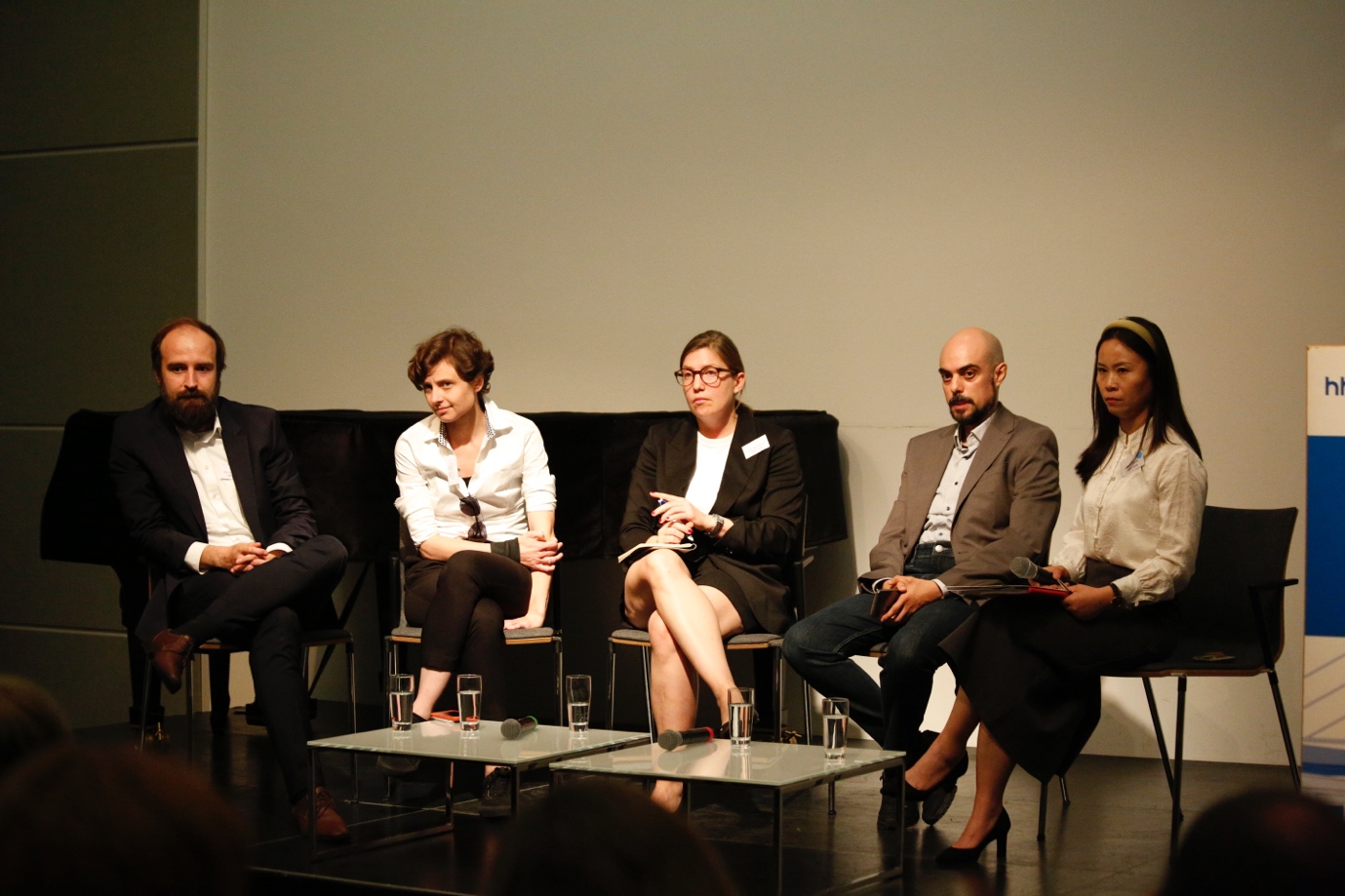
Kena Zheng moderated this plenary session, which brought together four papers on the practical realities of enforcement in digital markets.
Reinhold Kesler presented empirical research on non-compliance in mobile app markets, focusing on third-party data transfer disclosure requirements. His findings were striking: around 40% of apps are non-compliant with platform privacy rules, and non-compliance follows economic incentives systematically. The same app behaves differently across platforms, with compliance higher in stricter enforcement environments and lower where tracking is more profitable. He estimated that non-compliant apps enjoy roughly 10% higher advertising revenues, illustrating that non-compliance is not accidental but economically motivated.
Lucas Lasota (presenting joint work with Jithendra Palepu and Dario Presutti) examined the unbalanced relationship between Google and alternative Android ROMs through the lens of Article 6(7) DMA. He presented findings from a historical investigation of Google’s contractual frameworks with device manufacturers and an assessment of operational impacts caused by changes in Android 16. He documented significant shifts in Android’s interoperability governance, including the enclosure of AOSP’s software development and the withholding of device trees, driver binaries, and source code commit histories. His doctrinal analysis concluded that Google’s conduct undermines DMA compliance because interoperability requires functionally equivalent conditions.
Joanna Mazur presented empirical research on stakeholder involvement in EU competition law and DMA enforcement, examining what sources of expertise enforcement decisions draw upon. Her findings revealed that industry and commercial knowledge providers dominate as sources of expertise, with academic contributions notably sparse. She applied a science and technology studies framework to categorise different types of expertise and their functions, finding that expertise is predominantly used to characterise market features rather than to assess competitive effects.
Juliane Mendelsohn (presenting joint work with Annika Stöhr) argued for sector investigations as a tool to capture systemic market power that falls through the gaps of both traditional competition law and ex ante regimes. They proposed limiting new sector investigation tools to the identification of systemic market power, while posing the question of whether the tool should be limited to investigation or should also encompass remedial powers.
The Q&A was lively. Reinhold was asked by Jithendra Palepu and Eckhart Bueren about bias toward small apps in his regression model and about the definition of compliance across jurisdictions. Lucas was pressed by Sebastian Steinert and Jens-Uwe Franck on whether Apple’s approach had influenced Google’s shift and on Google’s stated motivations of streamlining software development. Joanna was challenged by Michal Gal on the limited diversity of data sources in enforcement decisions, with the observation that many seemingly independent sources may trace back to common origins. Inês Neves also asked her on epistemic sources. Anush Ganesh asked Juliane about the relationship between the proposed sector investigation tool and the UK’s existing market investigation regime.
Pitching Time – Rupprecht Podszun
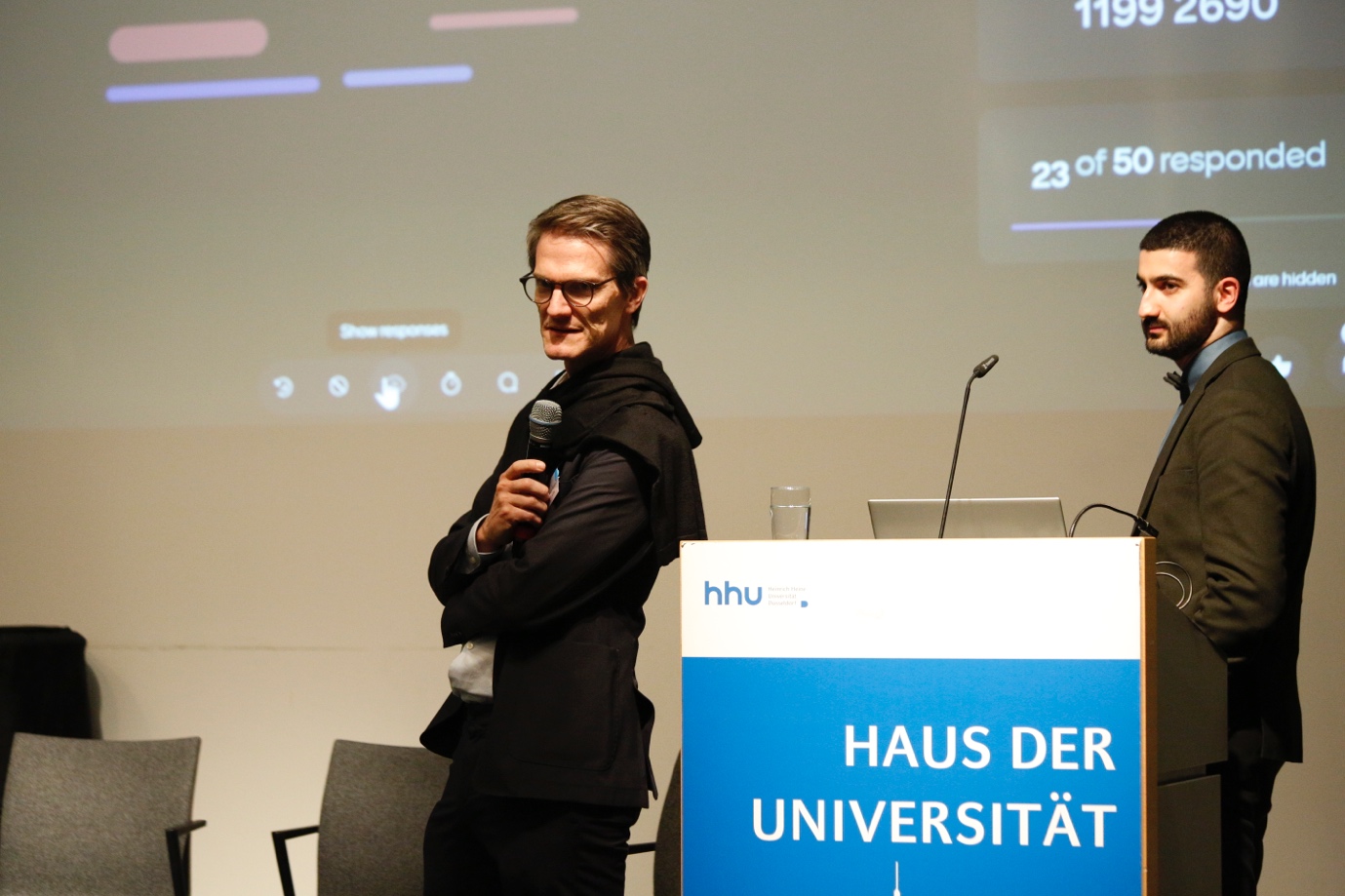
The day’s interactive session before the evening roundtable was a lively audience poll led by the SCiDA team. Participants voted and responded to a series of provocative questions via Mentimeter, ranging from whether digital competition presents a serious problem to whether personalised advertising should be banned and whether Instagram and TikTok should be prohibited for under-16s. Audience members were asked to imagine investing their savings for twenty years and to choose which gatekeeper they would bet on, a question that produced telling results about confidence in the durability of incumbent power. Other questions probed whether AI shakes up digital competition or bolsters gatekeepers, whether Europe is acting too early in AI markets, and whether tying AI to main services should be permitted so that Google and Microsoft can compete with OpenAI and Anthropic. Participants were also invited to identify the single most important substantive provision in digital regulation across the DMA, DMCCA, and Section 19a, and to consider what would happen if the Court of Justice were to strike down the Commission’s first DMA decision.
Perhaps the most revealing moment came from an open word cloud asking what we are discussing too little in digital regulation. The responses painted a picture of a field that knows its technical tools but worries about the bigger questions lurking behind them. Democracy, political power, and sovereignty featured prominently, alongside human dignity, human rights, and the right to offline. Participants flagged merger control, structural remedies, divestments, and venture predation as underexplored enforcement themes. Others pointed to the global South, geopolitics, the Brussels effect, and transnational collaboration as dimensions that receive insufficient attention. Innovation, environmental costs, and the long-term goals of regulation also surfaced repeatedly, as did a concern for how to measure results and whether Europe is pursuing genuine radical change or merely incremental adjustment.
Plenary Roundtable Panel II: Towards Best Practices
Jasper van den Boom moderated this roundtable, with Alberto Bacchiega (DG Comp), Elodie Vandenhende (Autorité de la concurrence), Ioannis Lianos (UCL), and Alba Ribera Martínez (University of Villanueva).
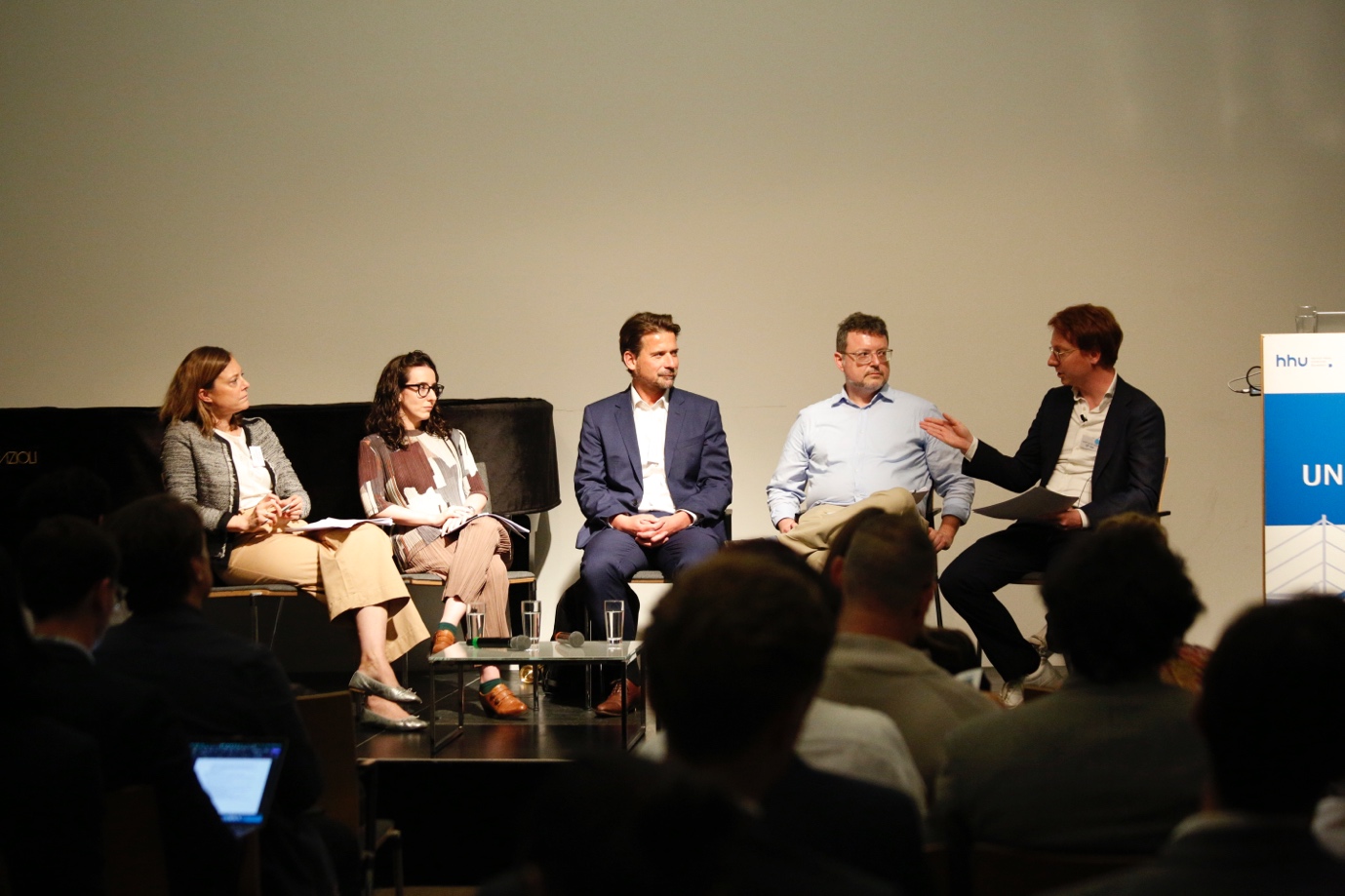
Alberto opened by discussing the interplay between ex ante and ex post dimensions of digital regulation, noting that the behavioural structure of markets informs DG Comp’s forward-looking approach. He was frank about capacity constraints, explaining that prioritisation necessarily means leaving out things that may seem important in order to focus on what is most impactful. He outlined the three tools available under the DMA regime: regulatory dialogue, specification decisions, and non-compliance procedures. On regulatory dialogue, he said he would always prefer to engage constructively but stressed that it does not always work and that a strong case in the background is essential. He pointed to two specification decisions relating to Apple from the previous year and noted forthcoming specification decisions for Alphabet.
Alba discussed fragmentation in the application of the DMA across EU member states and beyond, arguing that the proliferation of differing digital regulation regimes worldwide does not serve effective enforcement. She suggested that international coordination among competition authorities is needed to prevent gatekeepers from limiting beneficial changes to certain jurisdictions while withholding them elsewhere.
Elodie outlined the Autorité de la concurrence’s approach, noting its powers under Article 38 DMA and its regular dialogue with the European Commission. She acknowledged resource constraints and described how the Adlc has worked to reduce its case backlog. She stressed the complementarity of Article 102 TFEU and the DMA and explained that when parties approach the Adlc, it assesses what additional value competition law enforcement brings beyond the DMA.
Ioannis raised the question of how to determine success in enforcement, noting varying perspectives on over-intervention and under-enforcement. He discussed the shift from value chains to the intangible economy, showing a table of GAFAM market capitalisation to illustrate how intangible assets are now valued in the trillions. He questioned whether genuine competition is possible in these new-generation markets and suggested that perceptions, stock options, and dividends are the real drivers shaping firm behaviour. He called for serious thinking about interoperability mechanisms and market design.
The Q&A explored several themes. On whether enforcement is improving, Alberto noted that cumulative effects take time to materialise and pointed to data portability provisions as a success. Alba expressed scepticism about non-compliance procedures being effective at this stage and preferred more specification decisions. Ioannis observed that firms do not currently view the DMA or private enforcement in Europe as a serious threat. On AI, Elodie described the Adlc’s work on commitments relating to AI implementation and stressed the importance of speed and targeted approaches. Alberto cautioned that the regulator alone will not solve AI-related challenges and described the DMA as a shortcut to general competition law. Alba suggested that Article 102 may be better suited than the DMA for engaging with AI markets. Ioannis emphasised the volatility of AI markets and the importance of regulatory learning at both national and EU levels.
On the theme of regulatory learning, Elodie described how a 2024 Adlc study on AI markets quickly became outdated as new players emerged, stressing the need for humility among regulators. She recounted how prior preparatory studies on data markets enabled the Adlc to respond quickly when the French Government sought its views on the Data Act. The discussion also touched on data protection intersections, with Alberto explaining how Article 6(11) DMA requires Google to share data in anonymised form and noting DG Comp’s collaboration with the EDPB.
Ioannis raised the example of Palantir’s civilian applications and critical infrastructure role, arguing that firms of this nature can effectively force countries into certain decisions. He noted that the Data Act and Digital Governance Act do not apply to AI procurement scenarios where the state is not treated as an actor from a digital regulation perspective, and he pointed specifically to Palantir’s relationship with the NHS in the UK. On best practices, Elodie welcomed innovative legal opinions and academic consultation responses, Alba stressed the importance of precision in regulatory language, and Ioannis called for more thinking about levels of interoperability and design.
Audience questions from Sebastian Steinert, Rupprecht Podszun, and Juliane Mendelsohn probed how remedies are determined, what drives regulators, and whether regulation is becoming dysfunctional. Alberto conceded candidly that regulators do not know a great deal about the future but try to use their vision effectively and take feasible actions for users and the market. He mentioned the need to assess demand for change and noted that fear of retaliation remains a factor for market participants. He pointed to a strong network of cooperation across Europe and with the UK, Japan, and (to a lesser extent currently) the US. Ioannis offered a closing reflection on the difficulty of acting when consumers love a digital service, and suggested that polycentric competition law is the future.
Fireside Chat: Martijn Snoep and Michal Gal
The day closed with a fireside chat between Martijn Snoep (ACM) and Michal Gal (University of Haifa), moderated by Rupprecht Podszun.
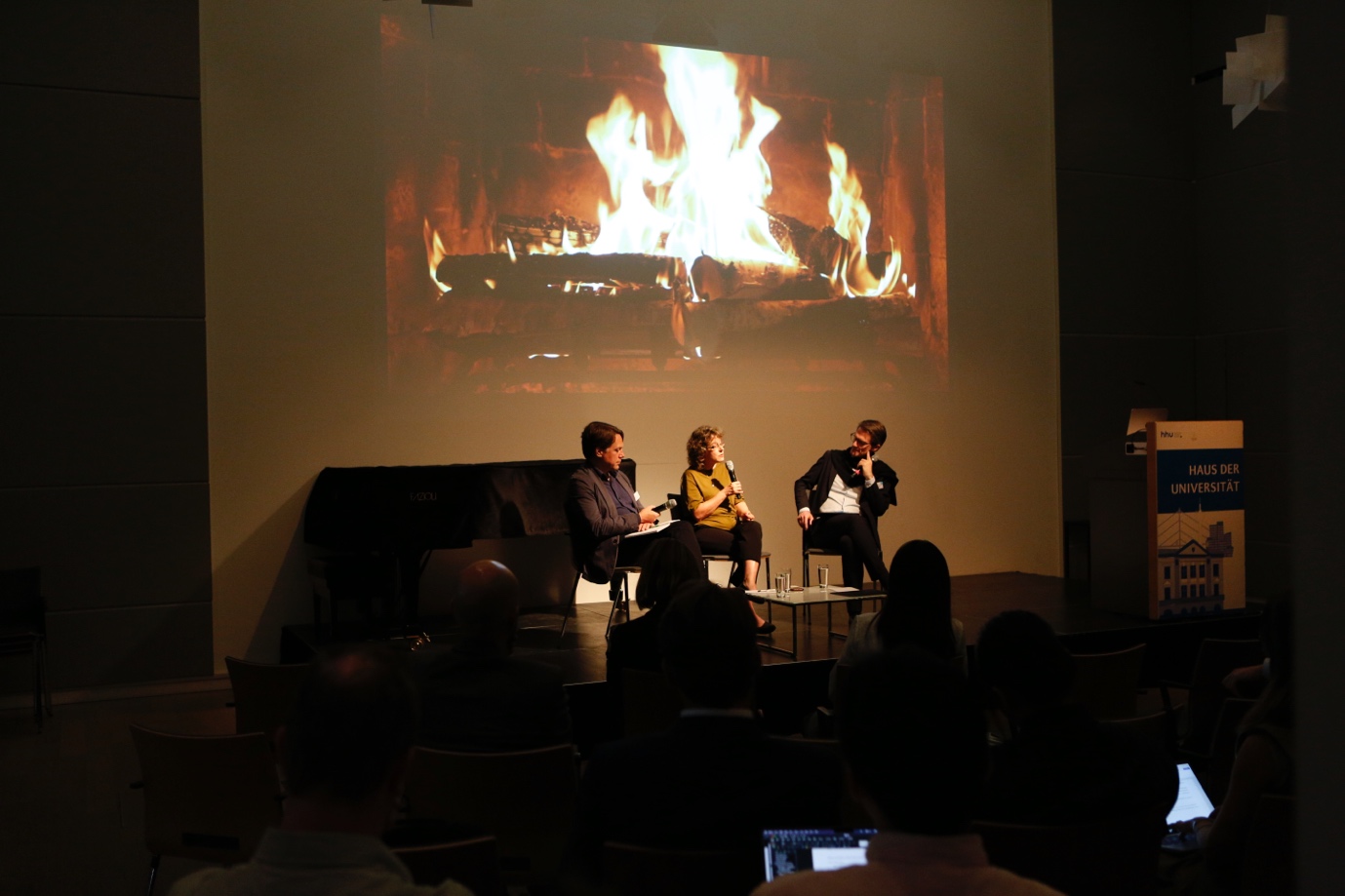
Martijn framed the discussion around the objectives of digital markets regulation, asking whether we are pursuing undistorted competition, innovation, or something else entirely. His answer was direct: the most important objective right now is the protection of EU digital sovereignty and self-determination, given European vulnerability to the regulatory and political decisions of foreign governments. He warned of the risk of manipulation through both text and images and stressed the need to build critical digital infrastructure.
Michal broadened the lens, noting that the challenge is not confined to the EU and the US but affects all jurisdictions struggling to tame digital market power. She raised fundamental questions about free will and free choice in a world shaped by AI agents, asking whether efficiency gains from automated choices are worth the loss of meaningful human decision-making. She characterised competition law as providing a way of thinking about how markets operate and develop but cautioned that it is not an answer to everything, partly because it is inevitably reactive.
The conversation touched on the nature of trust in digital markets, whether governments or markets are better placed to respond, and the relationship between standards-based competition law and rules-based regimes like the DMA. Michal stressed the importance of understanding the basic building blocks of digital technology, while Martijn offered a closing appeal that resonated with the academic audience: that authorities do not appreciate academic work enough, and that they should.
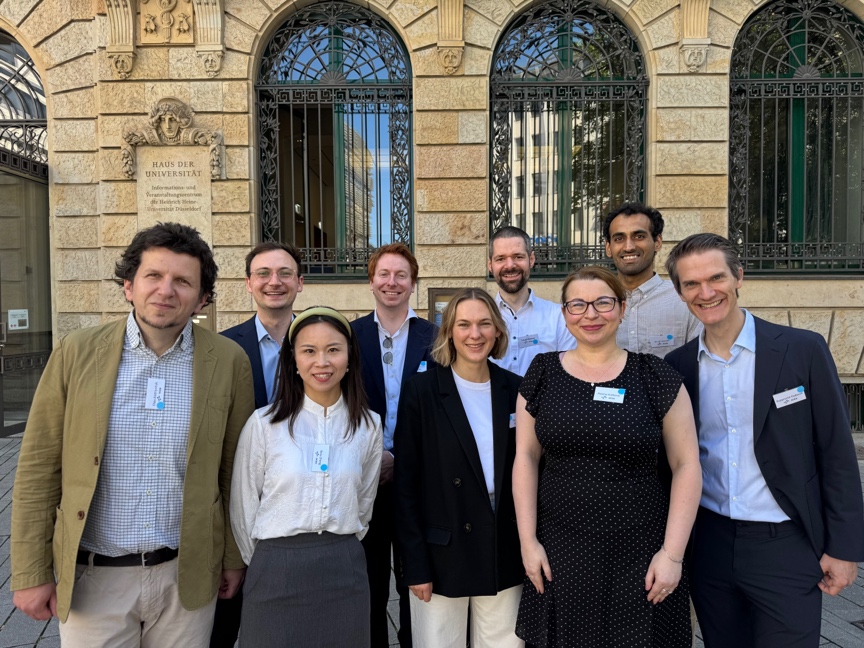
Here are some other photos from Day 1 of the conference-