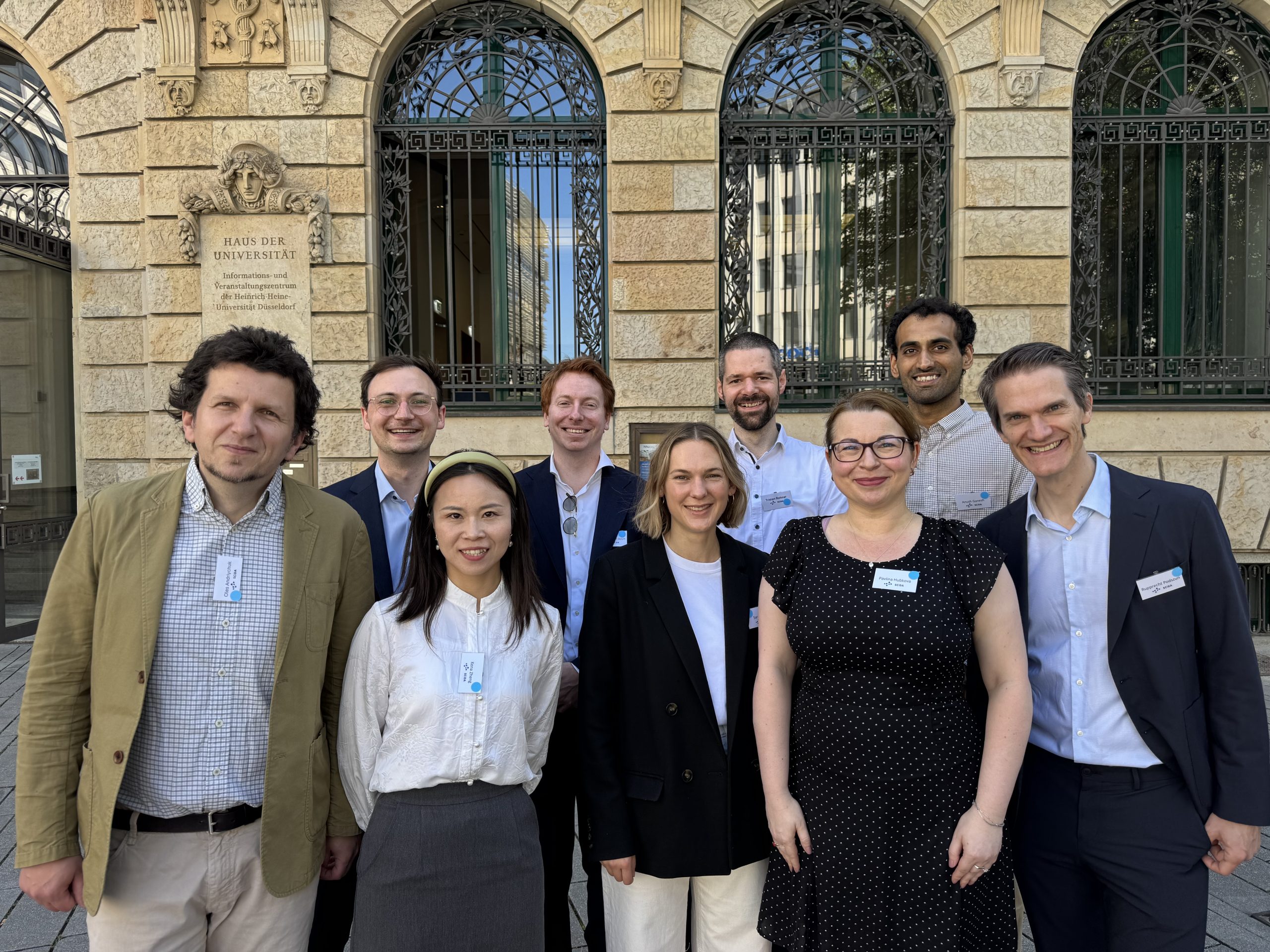
The second and final day of the SCiDA Conference 2026 at Heinrich Heine University Düsseldorf opened with a frank interview with the former Chair of the CMA and closed with a reflection from AG Kokott that gave the assembled scholars, enforcers, and practitioners much to carry home. Where Day 1 had asked what digital competition law is for, Day 2 pressed harder on whether the tools currently available are adequate to the task, and what political, institutional, and doctrinal forces are shaping their use.
Opening Plenary: A Frank Assessment from the Architect of the DMCCA
The day began with an interview with Marcus Bokkerink, former Chair of the Competition and Markets Authority, conducted by Oles Andriychuk.
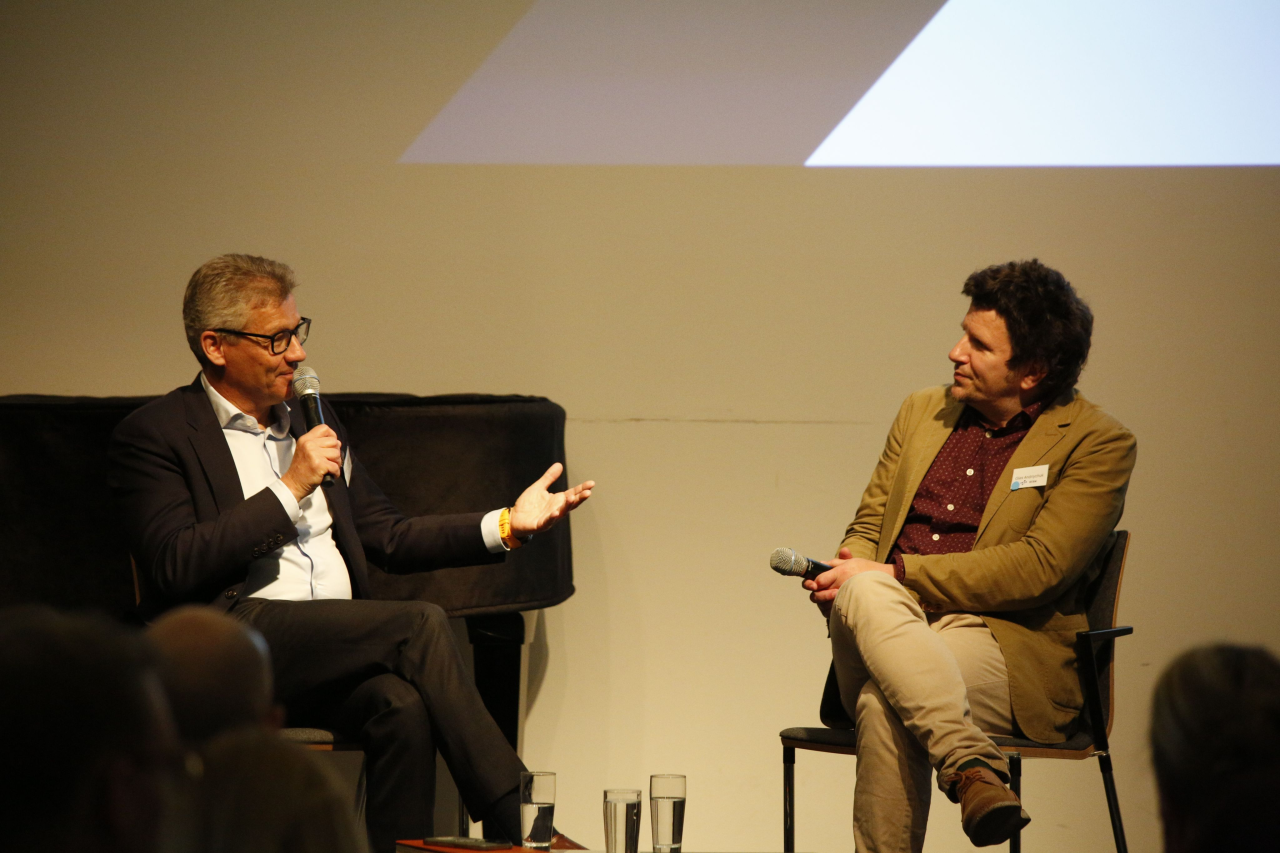
Marcus offered an account of the design philosophy behind the DMCCA regime’s core design choices which includes a bespoke rather than horizontal approach to designation, a time-limited designation horizon intended to keep open the possibility that competitive disruption could render regulation unnecessary, and a deliberate preference for outcome-based obligations that allow firms to determine how they meet regulatory targets before the authority intervenes to prescribe behaviour. A further priority was the composition of the board itself, combining genuine independence with serious commercial and technical expertise as a structural bulwark against lobbying and political capture.
Marcus was forthright about the distance between that design vision and current enforcement reality. He described the new CMA board as having adopted an effective posture of leaving large technology firms alone, a marked departure from the board that had launched simultaneous investigations into Google Search, mobile ecosystems, and cloud services following the Act’s commencement. The cloud investigations into Microsoft and Amazon were paused under political pressure linked to the government’s desire to maintain good relations with the United States administration, and voluntary commitments from Apple and Google on mobile ecosystems had been accepted in lieu of formal conduct requirements, which Marcus described as having no legal foundation.
He was not without cautious optimism, noting that other jurisdictions continue to protect competition and consumers, that private enforcement in the UK is growing in significance, and that the political calculus driving current CMA leadership may itself be shifting.to facilitate clearance of large acquisitions rather than subject them to rigorous scrutiny.
Plenary Panel: DMCCA and German Section 19a GWB
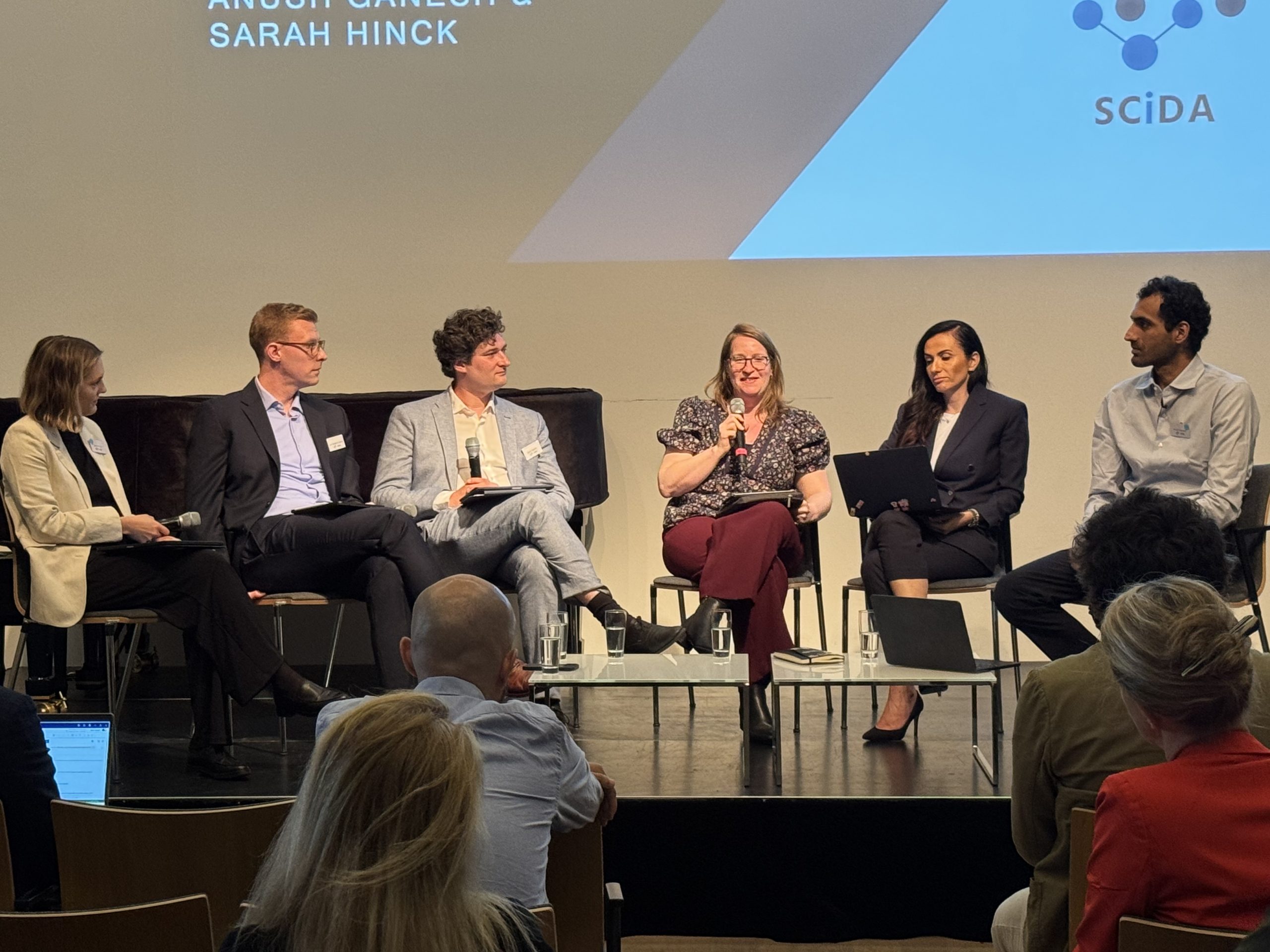
The morning’s centrepiece was a comparative plenary panel moderated by Anush Ganesh and Sarah Hinck, bringing together Magali Eben (University of Glasgow), Konstantina Bania (Brunel University), Björn Christian Becker (Humboldt University Berlin), and Jan-Frederick Göhsl (University of Münster). This highly insightful panel was recorded for the SCiDA Podcast and can be listened to here on Spotify or Apple Podcast- DMCCA and Sec 19a GWB Plenary Panel.
Magali Eben opened with a characterisation of the DMCCA as legislatively best in class but politically embattled. The Act’s flexibility, which she regards as a genuine strength relative to the DMA’s predetermined obligations, has become a liability in the current climate. The CMA’s initial Google Search designation had produced a promising roadmap of staged interventions. However, much of the roadmap disappeared as political headwinds intensified. She flagged the countervailing benefits defence as a particular risk, warning that in a regime where consumers find it difficult to articulate their own preferences it risks becoming a broadly available justification for regulatory inaction.
Konstantina Bania focused on the conduct requirements flowing from the Google Search designation. She mentioned that the publisher conduct requirement is novel as it obliges Google to give publishers control over how their content is used. This includes clarity on the use of their content in AI overviews, providing engagement metrics, and attributing content surfaced through generative AI features which are all more far than any obligations under the DMA. She described the fair ranking requirement as the almost impossible to get right obligation, given that Google has failed to implement non-discriminatory ranking criteria to regulatory satisfaction in any jurisdiction. Her deepest disappointment was reserved for the mobile ecosystems outcome, where a comprehensive designation covering browser engines, app stores, and middleware had produced voluntary commitments with no legal basis in the Act rather than formal conduct requirements. Konstantina is a partner with Geradin and therefore involved in some of the cases.
Björn Christian Becker examined Section 19a as an expression of the German legislature’s confidence in developing its own path. The preservation of an objective justification defence requiring a comprehensive balancing of interests increases investigation costs but reduces the risk of false positives. He highlighted the provision’s technology-neutral and service-neutral scope as particularly important for capturing AI-related issues outside the DMA’s current gatekeeping focus, while identifying the structural private enforcement gap as its most significant liability: where proceedings are closed informally, private enforcement is entirely unavailable.
Jan-Frederick Göhsl offered a counterintuitive defence of Section 19a’s track record, arguing that the absence of fiercely litigated cases reflects the provision’s capacity to generate productive regulatory dialogue rather than any weakness in enforcement. The reversal of the burden of proof for objective justification is the key mechanism, giving platforms strong incentives to engage constructively rather than resort to dilatory litigation. He identified the recent decision on Amazon’s price mechanisms on the marketplace as a rather problematic example. Proceedings took five years, the theory of harm was incompletely established, in his view, and there was a significant pre-emption risk under Article 6(5) DMA. His overall recommendation was that the Bundeskartellamt should use the provision selectively as a fast-track dialogue tool and a laboratory for novel theories of harm, particularly around AI integration, and leave core gatekeeping issues to the DMA.
The central tension of the panel which was centered around flexibility as an asset in the German context, where the reversed burden of proof and institutional culture support negotiated solutions, but a liability in the UK, where the same flexibility is being exploited to justify inaction. Konstantina outlined the DMCCA’s private enforcement framework, describing soft follow-on enforcement through the Competition Appeal Tribunal as a mechanism that may also indirectly strengthen the CMA’s negotiating leverage with designated firms. Magali expressed ambivalence about the growing docket of private digital platform cases in the UK, arguing that private litigation should not need to compensate for failures of public enforcement.
Parallel Deep Dives
Five parallel tracks ran through the morning, each examining a distinct facet of the broader regulatory landscape.
Competition and Regulation
The panel was moderated by Sarah Hinck.

Alessia d’Amico (Utrecht) examined the relationship between national competition rules and the DMA under Articles 1(5) and 1(6), noting that the difficulty of identifying the objectives of national rules creates significant interpretive uncertainty and that the risk of ne bis in idem requires careful management through cooperation and coordination between authorities.
Zlatina Georgieva (Utrecht) addressed coherence between Article 102 TFEU defences and DMA obligations, arguing that successfully pleaded defences remain rare in competition law and that a common core grounded in internal market logic and proportionality could provide a more principled basis for aligning objective necessity under Article 102 with justification under Article 10 DMA. She controversially pleaded in favour of a broader understanding of Article 10 DMA (so granting more defences to gatekeepers). Yet, in her view, this only brings topics into the light that otherwise are dealt with an intransparent way.
Macarena Viertel Iñíguez (Humboldt) examined whether the rejection of formal market definition in the DMA, Section 19a, and the DMCCA actually eliminates the need to delineate boundaries, concluding that all three regimes contain functional equivalents to market definition, even where they formally disavow it. She pointed out that the Bundeskartellamt still did engage in market definition in the 19a-cases.
Self-preferencing and AI
The panel was moderated by Anush Ganesh.

Lyuxing Tao (Durham) argued that AI assistants are evolving into orchestrators within emerging super-app ecosystems and that the DMA has not yet systematically addressed these orchestration layers as gateways in their own right. His recommendation was that the DMA should focus on verifiable orchestration power rather than theoretical AI anxieties.
Mingya Jiang (Maastricht) compared EU and Chinese approaches to self-preferencing in online display advertising, finding that the EU applies a potential effects standard while China has moved toward an actual effects requirement, and that the EU framework cannot be directly transplanted into the Chinese context but offers useful lessons.
Kevin Laurent (Paris-Assas/EUI) proposed reconceptualising the essential facilities doctrine as an Essential Digital Facilities Doctrine, a structural principle of access obligations under Article 102 TFEU. He argued for a dynamic version integrating capabilities assessment, innovation-trajectory analysis, and a dynamically-as-efficient-competitor test to replace what he characterised as a probabilistic regime without economic discipline.
Digital sovereignty
The panel was moderated by Jasper van den Boom.
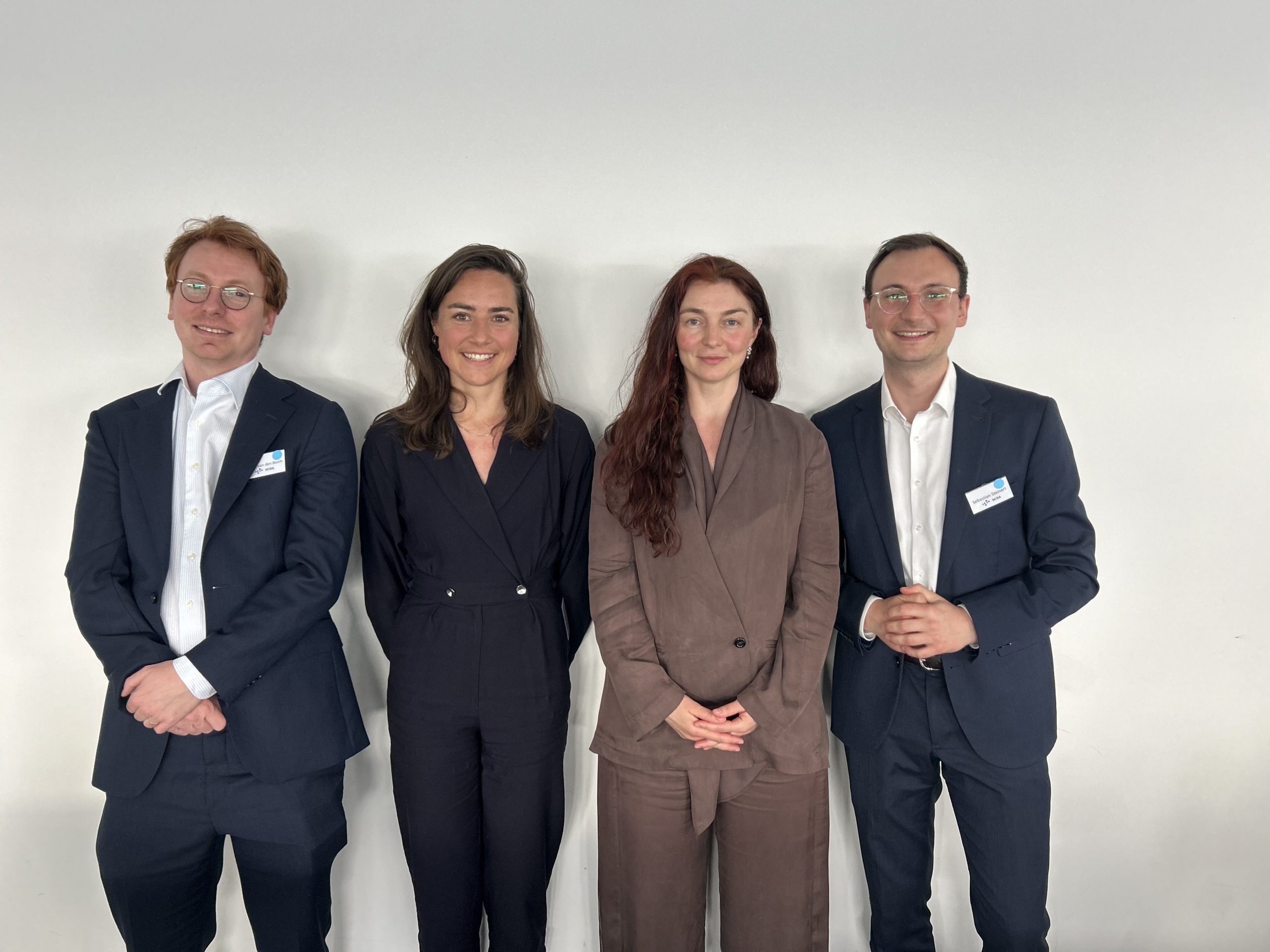
Cristina Teleki (Maastricht) examined three models of digital sovereignty as a concept: a Westphalian reincarnation focused on protecting territory, people, and institutions; a process of de-Americanisation through which Europe defines its own regulatory identity; and a democratisation model centred on consultation, cooperation, and dialogue, with the DMA as one instrument of that project. She framed the central tension as one between state capacity and gatekeepers as autonomous power centres, and proposed that a digitally sovereign competition authority requires both panopticon powers, the capacity to understand the full complexity of business models and technology, and Palantir powers, the ability to act on that understanding through more than conventional sticks and carrots.
Sebastian Steinert (SCiDA/HHU) examined digital sovereignty at the level of cloud infrastructure, questioning whether cloud service providers could and should be designated as gatekeepers under the DMA and noting that the quantitative and qualitative thresholds for designation sit uneasily with the infrastructural logic that cloud regulation would require.
Belle Beems (Leiden) examined the political dimension directly, tracing the expanding mandate of competition authorities, the instrumentalisation of enforcement for geopolitical leverage, and the delicate balance between independence and legitimacy that regulators must now navigate. She noted that the independence of the competition commissioner is not mentioned in the Commission’s Working Methods 2024, identified this as a risk of politicisation, and argued that the solution lies not in creating a new EU agency for DMA enforcement but in strengthening the Commission’s internal structure and accountability mechanisms.
Specific obligations under the DMA and DMCCA
The panel was moderated by Pavlina Hubkova.
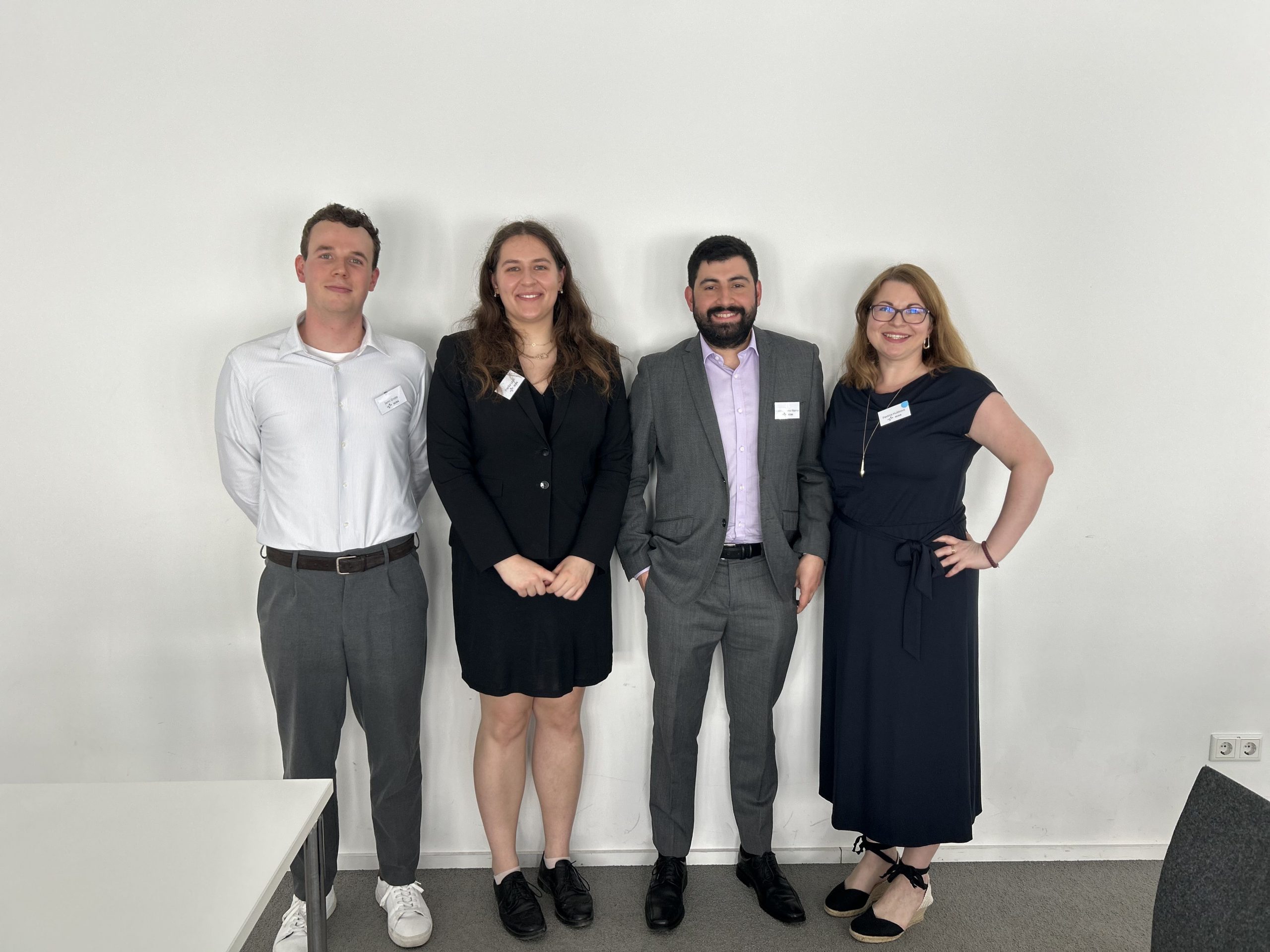
Franka Layer (Bucerius) argued that Article 6(12) DMA is currently too ambiguous to fulfil its purpose, that gatekeepers exploit this ambiguity to avoid meaningful engagement with their obligations, and that compliance reports from ByteDance and Microsoft illustrate the problem: no gatekeeper has engaged with the value exchange at the heart of the platform relationship. She proposed that the Commission should require substantive term-by-term analysis in compliance reports as a baseline and that the recently opened non-compliance proceedings against Alphabet under Article 6(12) may signal a willingness to adopt a broader understanding of access.
Cristóbal Lema Abarca (Santiago de Chile) examined the Final Offer Mechanism in the DMCCA. This is what others know as “baseball arbitration”: both parties put an offer on the table, one is chosen with no possibility to alter. Critsóbal argued that its multi-stage enforcement labyrinth, requiring breach of a conduct requirement, an enforcement order, and exhaustion of other digital functions before the mechanism can be triggered, is not justified by the backstop rationale. The real power of the creative tool of FOM is ex ante, as an incentive for sincere bargaining. He proposed two fixes: including FOM among permitted conduct requirements in section 20(2), and granting third parties the right to initiate proceedings.
Jann Grote (Göttingen) assessed the Commission’s approach to Article 6(7) DMA interoperability in the Apple case, noting that the Commission has adopted a strictly results-oriented approach under which interoperability must be provided in a manner that is equally effective, comprehensive, and without additional conditions. He concluded that DMA enforcement is best understood not as a one-off measure but as a process-oriented instrument designed to bring about durable behavioural change through iterative regulatory dialogue backed by credible enforcement pressure. (This ties in neatly, of course, with the SCiDA paper on the iterative approach [LINK]).
Remedies
The panel was moderated by Sebastian Steinert.

Weirui Zhu (Shanghai/KU Leuven) argued that the main problems in platform markets require restorative remedies operating at the level of user preference rather than the technical layer alone. The logic of remedy design needs to shift from the path to the object. She proposed a mechanism-based comparison of behavioural and structural remedies, noting that quasi-structural remedies occupy an important intermediate space and that the more ongoing management a remedy requires, the more it begins to resemble regulation.
Aline Blankertz and Brianna Rock (Rebalance Now) proposed a nuanced version of structural remedies grounded in the concept of regulatory sovereignty. They noted that the average compliance deadline in the Microsoft docket since 1998 has been exceeded by two years in most cases and that more is both needed and feasible. They pointed to the geographic breakups of ByteDance and Yandex as examples of partial structural interventions and proposed that a partial IPO model could introduce meaningful diffusion of power without requiring binary divestiture.
Jasper van den Boom (SCiDA/Leiden) presented work on structural remedies arguing that effectiveness rather than proportionality should be the primary criterion for remedy selection. He characterised the EU proportionality principle as applied to remedies as a proportionality fallacy. He went on to note that the US investigative model gives courts greater freedom to impose structural remedies but that judges are increasingly overwhelmed by technological complexity. He argued that where a pervasive monopoly exists the only adequate response is structural.
Plenary Roundtable: Perspectives on Digital Competition
The final roundtable brought together a practitioner from the EU Commission’s Legal Service, namely Fernando Castillo de la Torre, and three outstanding academics, Josef Drexl (Max Planck Institute Munich), Jens-Uwe Franck (Mannheim), and Inge Graef (Tilburg). The panel was moderated by Pavlina Hubkova and Kena Zheng. The idea of the panel was to bring some future perspectives into the discussion.
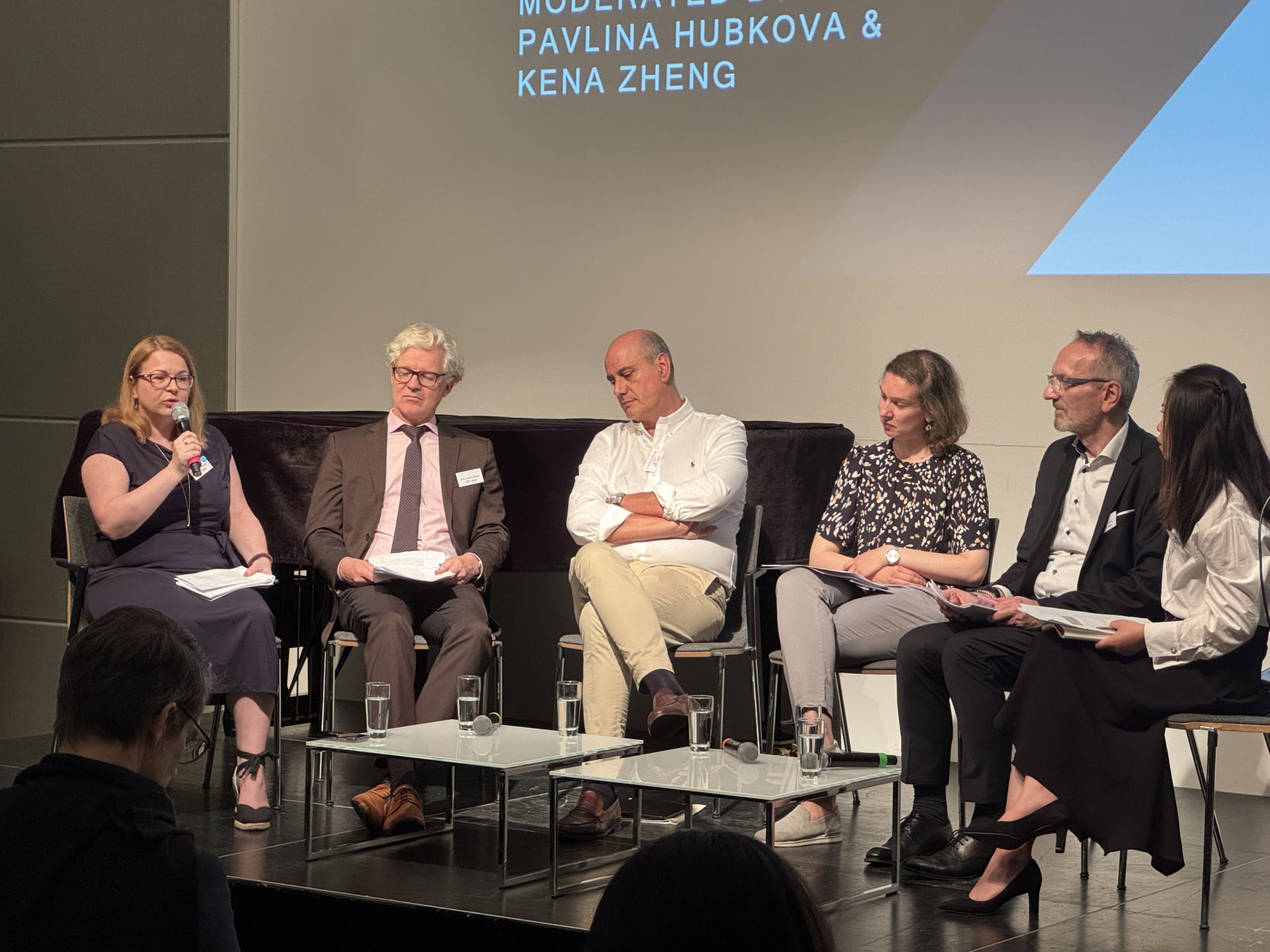
Fernando reflected on the DMA’s specification decisions as an unexpectedly productive enforcement tool, offering detailed prescriptive guidance without involving fines and binding authorities to six-month deadlines. He noted that cloud and AI present distinct regulatory challenges: cloud is increasingly under consideration as a core platform service but does not fit cleanly within the gateway logic, while AI is better addressed through competition law than through DMA designation, at least for now.
Josef flagged the relative disappearance of strategic partnership agreements from the AI governance debate, which he had expected to remain central, and identified dependency on core infrastructure, including chips and human expertise concentrated in US-based firms, as a sovereignty concern that the DMA review had not adequately addressed. He drew attention to the substitution of human creative output by AI-generated content as a problem that extends well beyond competition law and raised the question of how much digital regulation should frankly acknowledge its political dimension.
Jens-Uwe called for modesty and caution in normative conclusions, arguing that understanding evolves and that the interdependencies between observation, interpretation, and prescription mean that prematurely settled frameworks risk locking in errors.
Inge made a plea for taking users seriously as a factor in regulatory success, noting that several DMA provisions place responsibility on end users in ways that may exceed what users can realistically be expected to exercise, and that competition authorities and consumer organisations have a shared responsibility to make the purpose and operation of digital regulation legible to citizens.
On convergence with the United States, the mood was sceptical. Fernando saw cooperation declining rather than increasing. Jens-Uwe noted that the divergence is politically driven and that a jurisdiction’s stance depends heavily on the composition of its domestic technology sector and its geopolitical positioning relative to China and the United States. Josef argued for bilateral agreements as a more realistic vehicle for international coordination than multilateral harmonisation, drawing on the model of the International Competition Network. He advocated to look into the interplay of competition law with public international law more intensely.
Closing Keynote: Advocate General Juliane Kokott
After being introduced by Rupprecht Podszun, Advocate General Juliane Kokott (who had once been a professor at HHU Düsseldorf herself) set the final intellectual highlight of the conference. She offered an in-depth review of the systemic changes in EU competition law and digital markets necessitating the emergence of the DMA. Being one of the most influential authors and actors in EU competition law, AG Kokott identified some true bifurcation points in the evolution of the field, contextualising them with the broader European agenda.
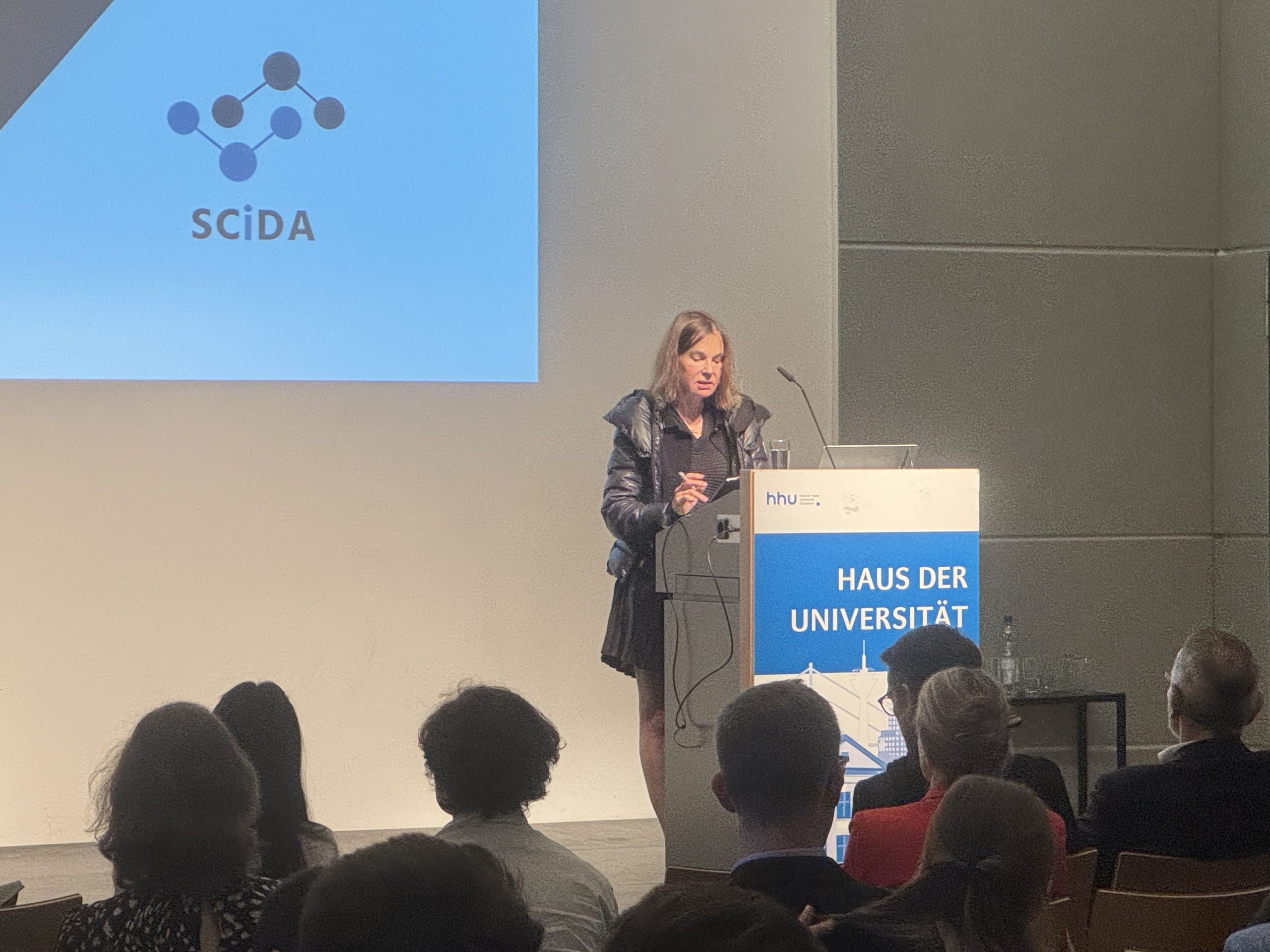
AG Kokott reflected on the innovation-competition relationship as the central tension of the field, noting that novel digital ecosystems do not map cleanly onto traditional Article 102 TFEU frameworks such as essential facilities, and that winner-takes-most dynamics create conditions in which dominance in one market can rapidly cascade into dominance in adjacent ones through bundling, tying, and data advantage. She traced the jurisprudential evolution through Microsoft, Google Shopping, and Android Auto, observing that the Court has progressively moved away from a strict application of the Bronner indispensability criteria in platform contexts, recognising that refusals of interoperability can be abusive even where they do not eliminate all competition, and that delayed development of products in neighbouring markets is a harm the law should take seriously.
AG Kokott regarded the Android Auto judgment as particularly significant for its explicit attention to innovation incentives on both sides of a forced sharing decision, a methodological development that brings Article 102 analysis closer to the dynamic competitive assessment that digital markets require. She noted that the DMA, through Article 6, attempts to address many of the same concerns through an ex ante mechanism, but that the relationship between DMA obligations and national competition authorities raises unresolved questions that the conference had surfaced productively.
Conference Closure
Rupprecht Podszun and Oles Andriychuk closed the conference.
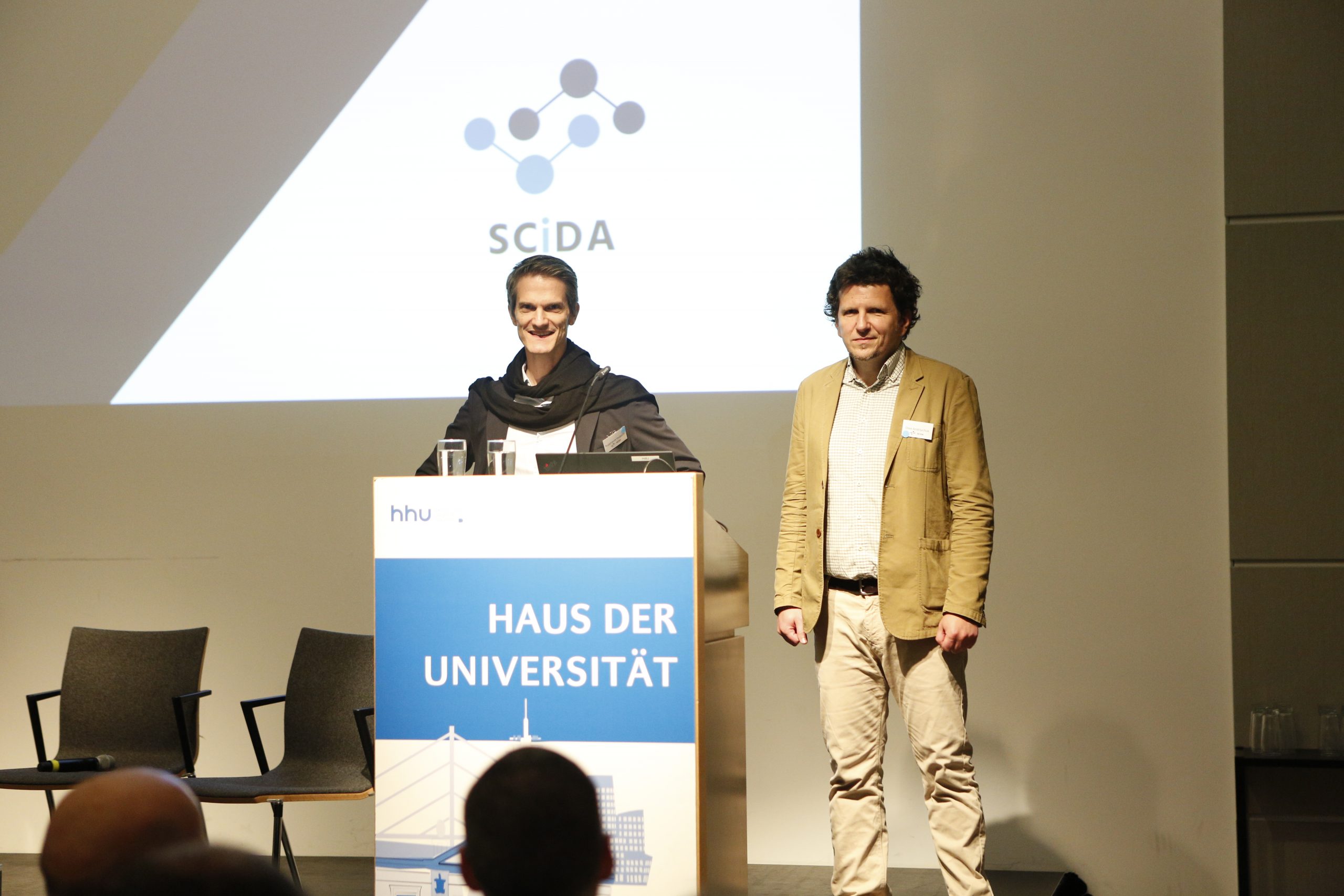
Oles reflected on the composition of the gathering, which had brought together regulators, Commission officials, members of the Court, established scholars, and early-career researchers, and argued that dry doctrinal research remains vital for effective implementation of digital regulation, a point that the day’s panels had amply illustrated. He spoke about SCiDA’s work and funding as a joint AHRC and DFG initiative between the Universities of Exeter and Heinrich Heine University Düsseldorf, and expressed confidence that the research conversations begun over two days in Düsseldorf would continue to shape the field.
After two intense days of discussions that ranged from dystopian to ground-breaking, from high-level to nitty-gritty, participants were finally invited to show their problem-solving capabilities in a more practical manner: They were invited to do a Scavenger Hunt through Düsseldorf that Rupprecht and Sebastian Steinert had prepared (pointing out that they had vibe-coded an app for it). The fun tour ended in a local restaurant where the researchers, exhausted from the conference or the hunt, shared a drink in the shadows.
Thank you all for coming!
Warm regards,
The SCiDA Team